
For Doctors

AI-Matched Osteochondral Allografts for the Knee

MR-based geometry matching identifies the donor grafts that best fit each recipient’s knee. 

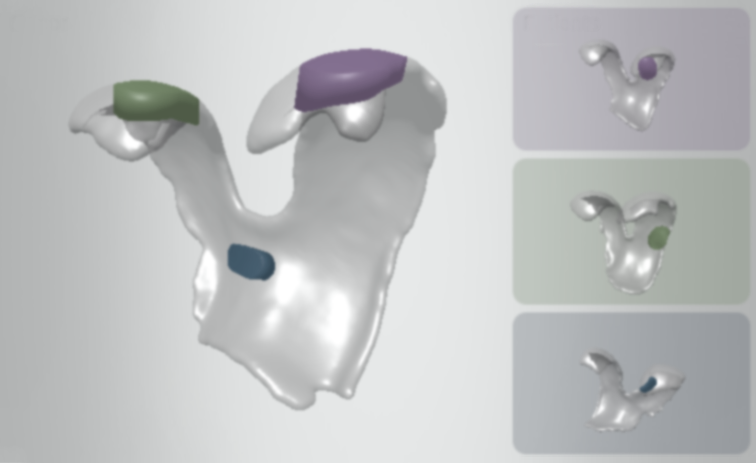
3D model: one donor cartilage matched to three patients

Drag to rotate. Left: donor cartilage. Right: three patients, each with a colour-coded matching graft.

The Principle

Size and Shape
Decide the Match

Fresh osteochondral allografts are matched by size and shape, not by tissue type. Once implanted, the graft does not remodel to its surroundings, so differences in curvature or thickness change how load travels through the joint. Our AI quantifies the 3D fit of the whole cartilage surface from MR images, instead of relying on 2D measurements and visual estimation.

01.

Defect Mapping

The cartilage surface and damage are segmented from the recipient’s MRI.

02.

Graft Design

The healthy surface is reconstructed to define the required graft.

03.

Donor Mapping

The same analysis maps the donor cartilage once tissue is available.

04.

Graft Matching

Harvest sites are proposed for each recipient within set tolerances.

The Clinical Gap

Graft Selection Still
Relies on the Eye

What Changes

Objective Planning,
Better Use of Every
Donor

Evidence

Clinical Evidence So Far

PUBLICATION

Sports Med Arthrosc Rev

2025: AI-supported OCA for massive knee defects.

FIRST CASE

First Human Surgery

Research licence; precise fit, uneventful recovery.

FOUNDATION

Mosaicplasty Legacy

Precise graft placement, the principle we now scale with AI.

REGULATORY

MDR Pathway

Certification in progress.

DATA

GDPR

Overseen by a dedicated data protection officer.

Research Insights

What Recent Studies
Show

Long-Term OCA Outcomes

560 knees, 20+ years of follow-up (PubMed 40671241).

AI Cartilage Segmentation

KneeXNet-2.5D, npj Health Systems, 2026.

AI as Decision Support

Olson et al., JAAOS Global Research & Reviews, 2026.

Clinical Partnership

Interested in AI-Matched
Grafts at Your Centre?

Our initial focus is Germany, with other European countries to follow. Ask your orthopaedic surgeon about the method, or send us a message to learn more.

FAQ

Questions Surgeons
Ask Us

What imaging is required?

A knee MRI of the recipient. We share the imaging protocol with partner centres before the first case.

Who makes the final decision?

The surgeon. The software quantifies geometry and proposes harvest sites; every proposal is reviewed by the treating surgeon.

Which patients are candidates?

Patients with large or massive osteochondral defects of the knee who are not yet candidates for arthroplasty.

How is donor tissue sourced?

From deceased donors, in line with medical and ethical regulations. Initially, we supply matched grafts through our own tissue bank.

Where is it available?

Our initial focus is Germany, followed by other European markets.

What is the regulatory status?

The first surgery was performed under a research licence. The software is developed to MDR requirements; certification is in progress.

Our Team

Surgeons, Radiologists
and AI Engineers in
One Team

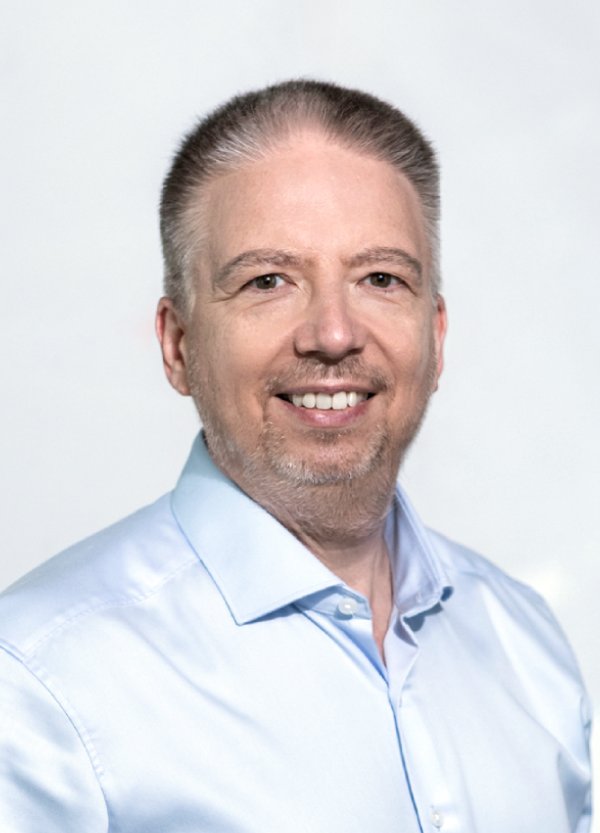
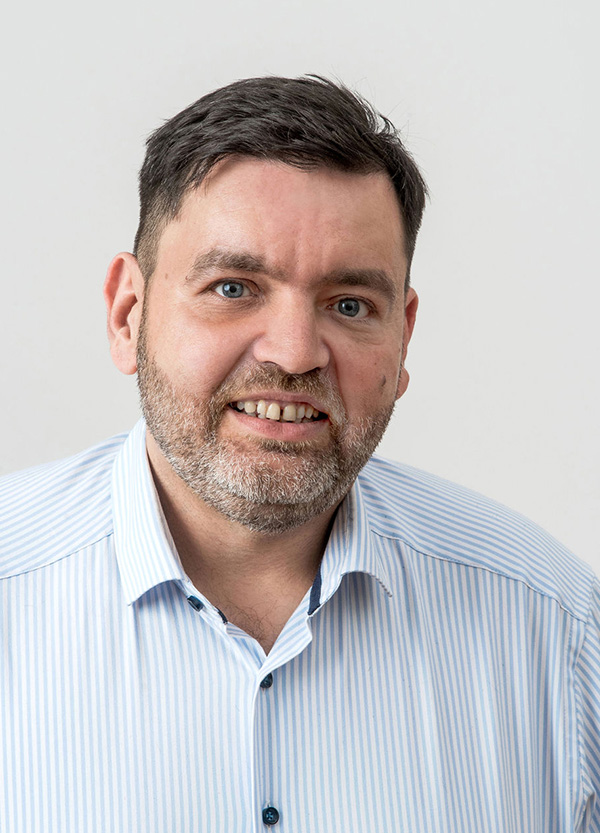
Peter Szoldan

CEO
Master’s from Harvard
Ex-McKinsey & Company

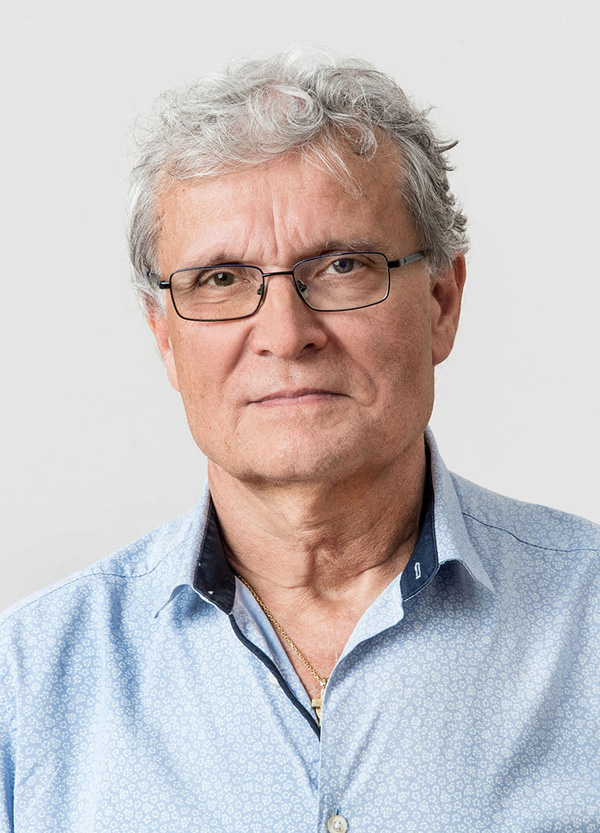
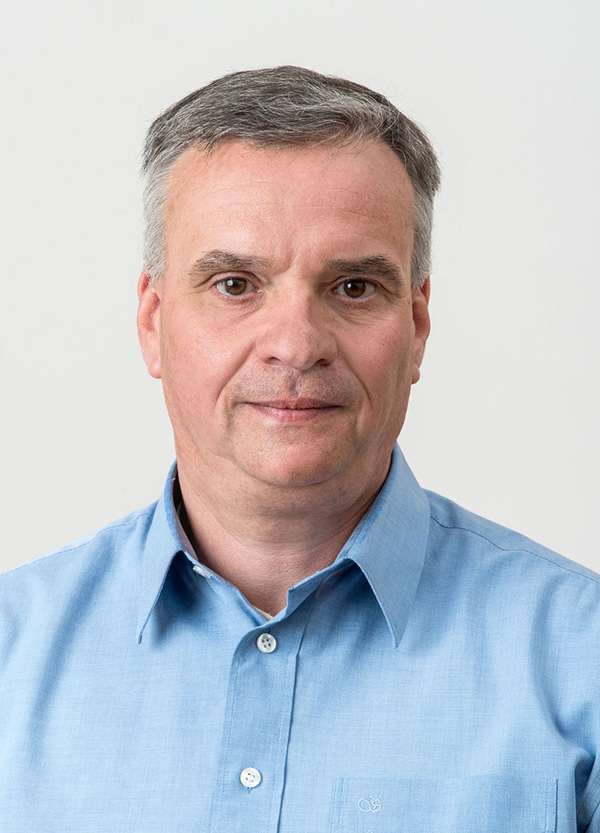
Prof. Dr. Laszlo Hangody

Chief Surgeon
30+ yr orthopaedic surgery
Inventor of mosaicplasty

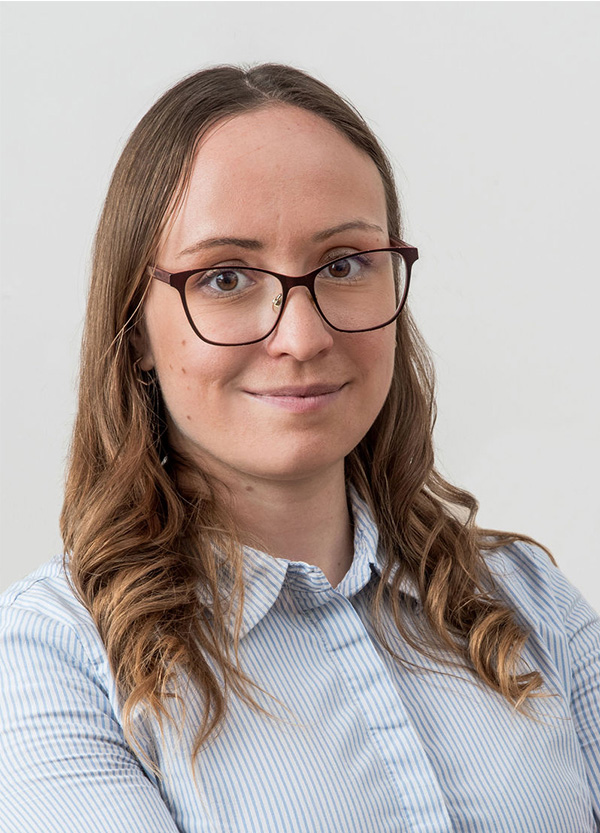
Dr. Zsofia Egyed

CMO
30+ yr radiologist
Radiology AI projects

Dr. Endre Szabo

CTO
Math PhD, AI expert
Combinatorial geometry

Mark Erik Szoldan

COO
Ex-IBM, PwC, Microsoft
IT project management

Dr. Gyorgy Hangody

Surgeon
10+ yr surgery
Cartilage repair expert

Dr. Dora Torok

CNO
PhD, bioinformatics

Andras Solti

CDPO
IT security, GDPR

Angel Investors

Christian Szegedy Math PhD

AI Expert

Creator of the Inception Network
Co-Founder of x.ai

Tamas Frisch

Sales expert
Head of Consulting at HP Hungary

Manuel Roth

Consultant at AlixPartners
ex-CEE investment banker at J.P. Morgan

Peter Balogh "Petya"

STRT
Investor, Shark in Hungarian edition of Shark Tank
CEO of STRT

Get in Touch

Discuss Your
Centre or Case

Leave your name and email, and our team will get back to you.

Contact (For doctors)